A River That Would Not Be Stopped
Witnessing The Centuries-Long Current of Women’s Football in Full Flow at EURO 2025
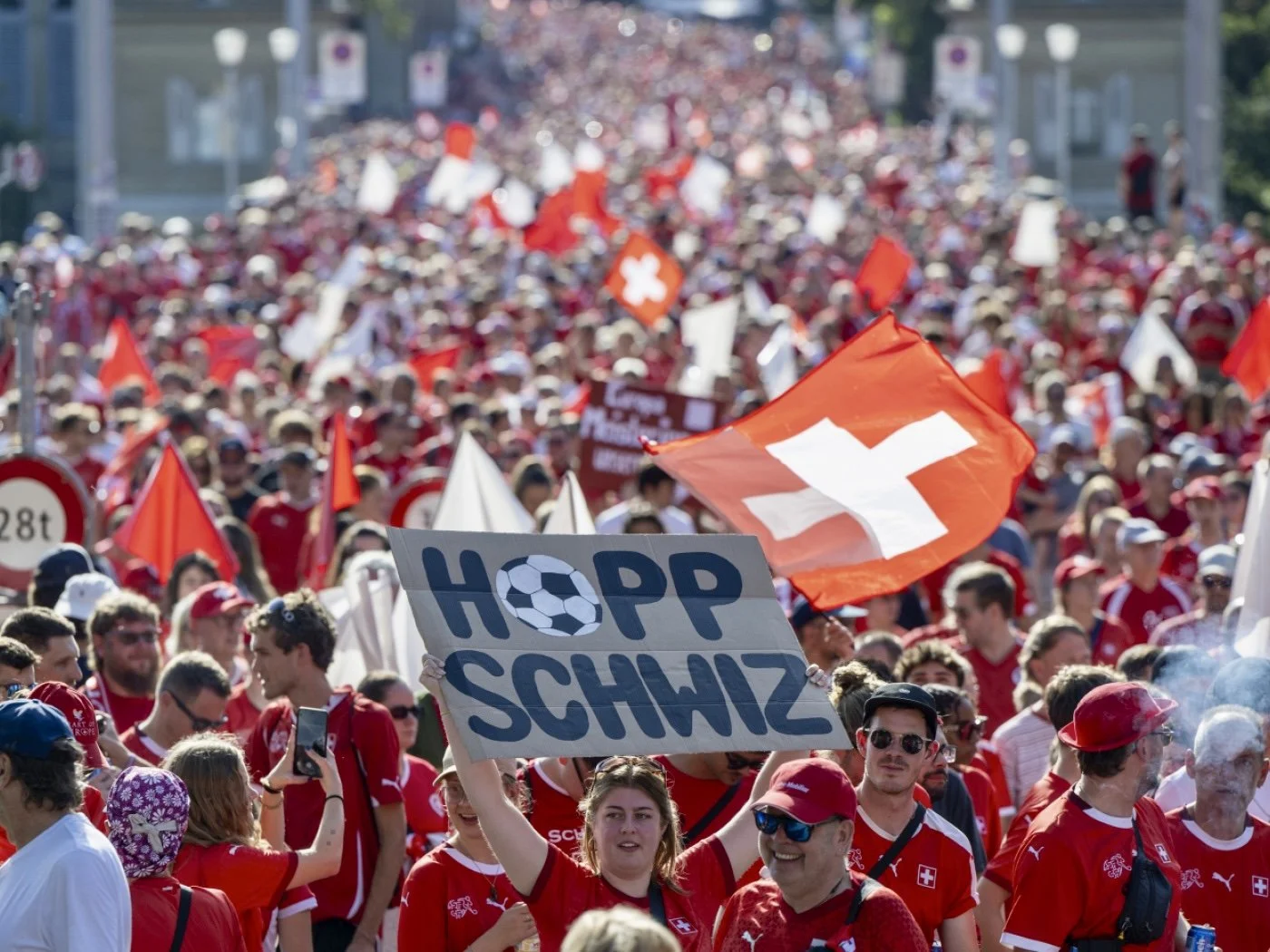
A red river of support for the host nation. (Euro 2025)
A river of joy flowed through the streets towards the stadium. Singing. Dancing. Drumming. Flags from both nations fluttered in the air. Women, men, young and old wore women’s national team jerseys. Children sat on shoulders. Families displayed matching scarves. Friends reunited. Billboards high above showcased women’s national team players, faces full of strength, skill, and enthusiasm.
This wasn't merely a game day; it was a living current of community and celebration.
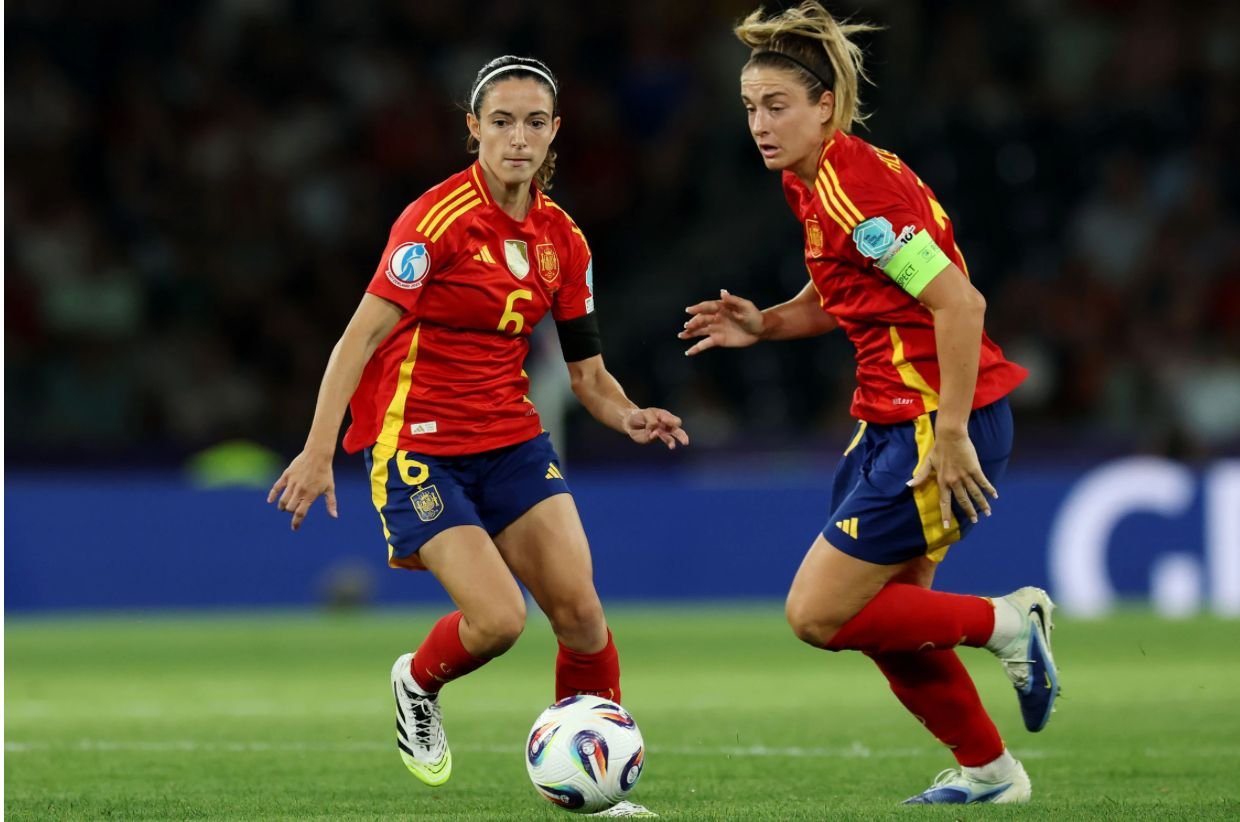
Photo by Alexander Hassenstein/Getty Images
Many say, “Look how far the women’s game has come.” In reality, what I was witnessing was not the start of a new story or trend. Instead, it was only the surface of something that has been flowing for over a century, sometimes celebrated, often ignored, and many times pushed underground.
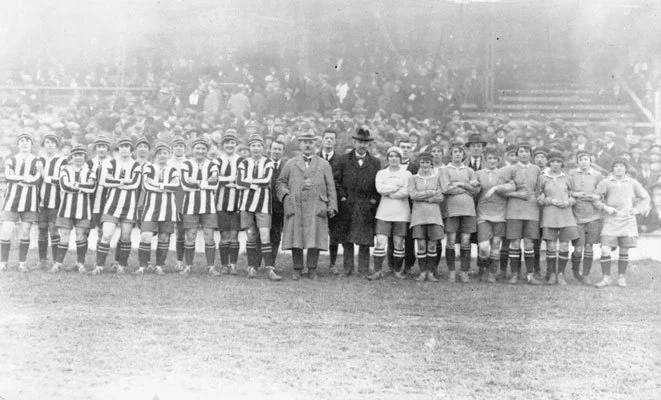
The Early Flow and the First Dam
In England, during the 1910s and early 1920s, women’s football thrived. Matches attracted crowds ranging from 10,000 to 20,000 spectators, with one event drawing over 50,000 and turning away more than 10,000 who came to watch and pay. These matches raised funds for First World War veterans and local communities, often featuring working-class women in teams such as the Dick, Kerr Ladies.
It is estimated that these matches, in today’s currency, earned the equivalent of $10 million, demonstrating both their popularity and economic potential.
But when these games began supporting labour movements during the 1921 Miners’ Lockout, the English Football Association (The FA) responded not with support but with suppression. On December 5, 1921, the FA declared football “quite unsuitable for females,” banned women from FA-affiliated grounds, withdrew access to officials and resources, and dismantled organized competition.
In Canada, the Dominion of Canada Football Association (now called Canada Soccer) echoed the English ban less than a year later. In 1922, it officially declined an invitation from the Dick, Kerr Ladies to tour Canada. Although procedural reasons were given, one Canadian federation official described the women’s matches he had seen as “a shame to be allowed.”
The decision did not just cancel a tour; it shut down any hope of sanctioned women’s football in Canada. Aligning with the English FA, the DCFA, and other governing bodies signalled that women’s football would be denied access to support, facilities, referees, and recognition for decades.
Yet the river kept running beneath the surface through determination, courage, and leadership, carving its way through backyards, universities, and informal leagues until it re-emerged in a sanctioned way.
1971: The River Rises Again
The English FA ban lasted fifty years, ending in 1971. That same year, an “unofficial” Women’s World Cup (now being rediscovered through the documentary Copa 71) was held in Mexico and drew huge crowds. The final, played at Estadio Azteca between Mexico and Denmark, attracted about 110,000 spectators, a milestone for women’s sport that still stands out today. Even group-stage games drew large crowds: the opening match had 100,000 fans, and Mexico’s game against England drew over 80,000. Yet, despite this remarkable public interest, when the players returned home, they were met not with celebration but with silence, as if it had never happened — like a river in full flow being choked once again.
Part of My Ride on the River
Canada’s first Women’s National Team was in 1986. When I entered the game as a player several years later, systemic barriers existed everywhere. We were told, directly and indirectly, that women’s football was secondary, was not marketable, and that “no one” wanted to watch it. But history shows, again and again, that this is not true.
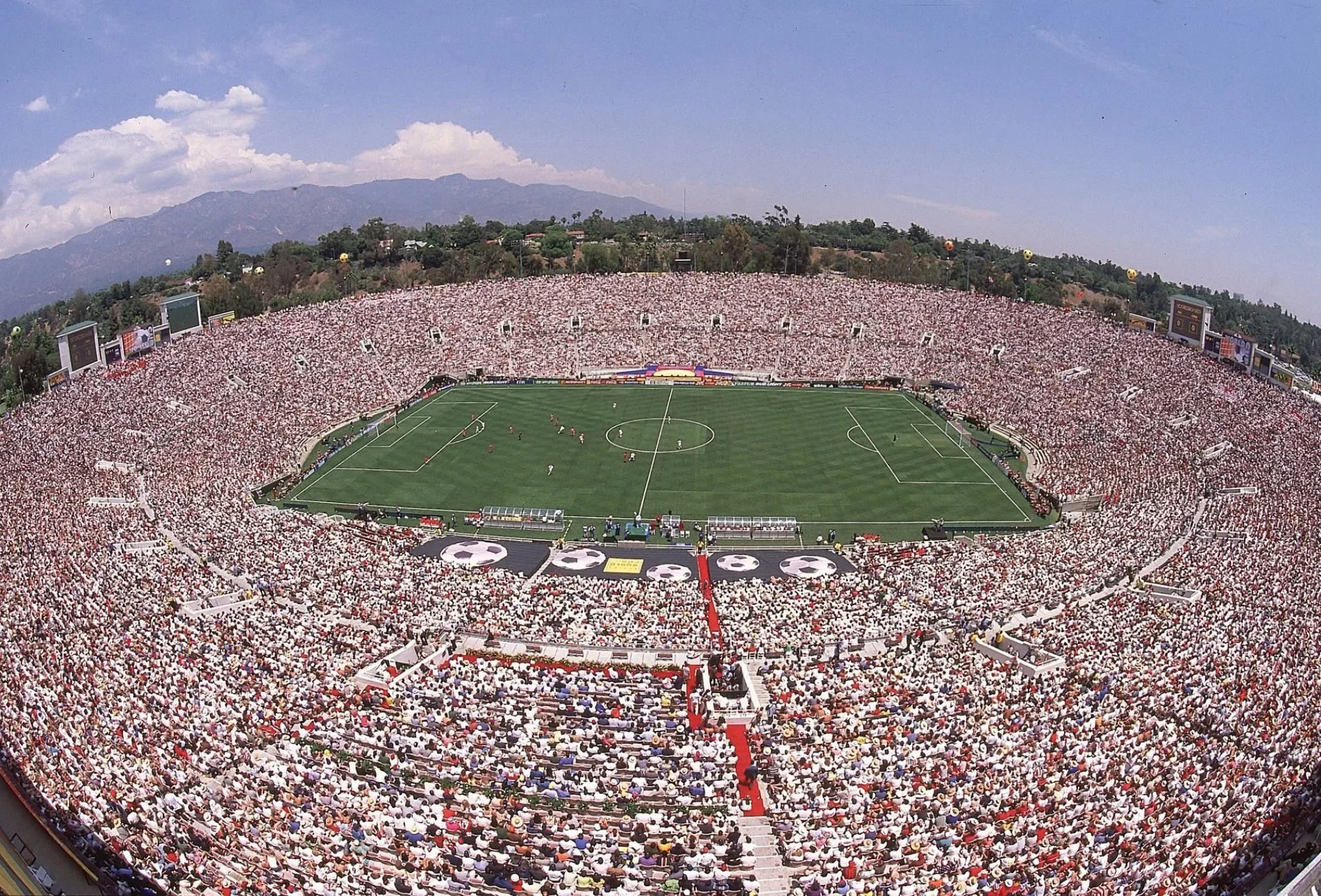
From its earliest days under FIFA, women’s football proved it could fill stadiums. The inaugural Women’s World Cup in 1991 in China drew more than half a million fans in total, including 63,000 at the final. Eight years later, the 1999 tournament in the United States set new records, with over 90,000 at the final and more than 1.1 million attending across the tournament.
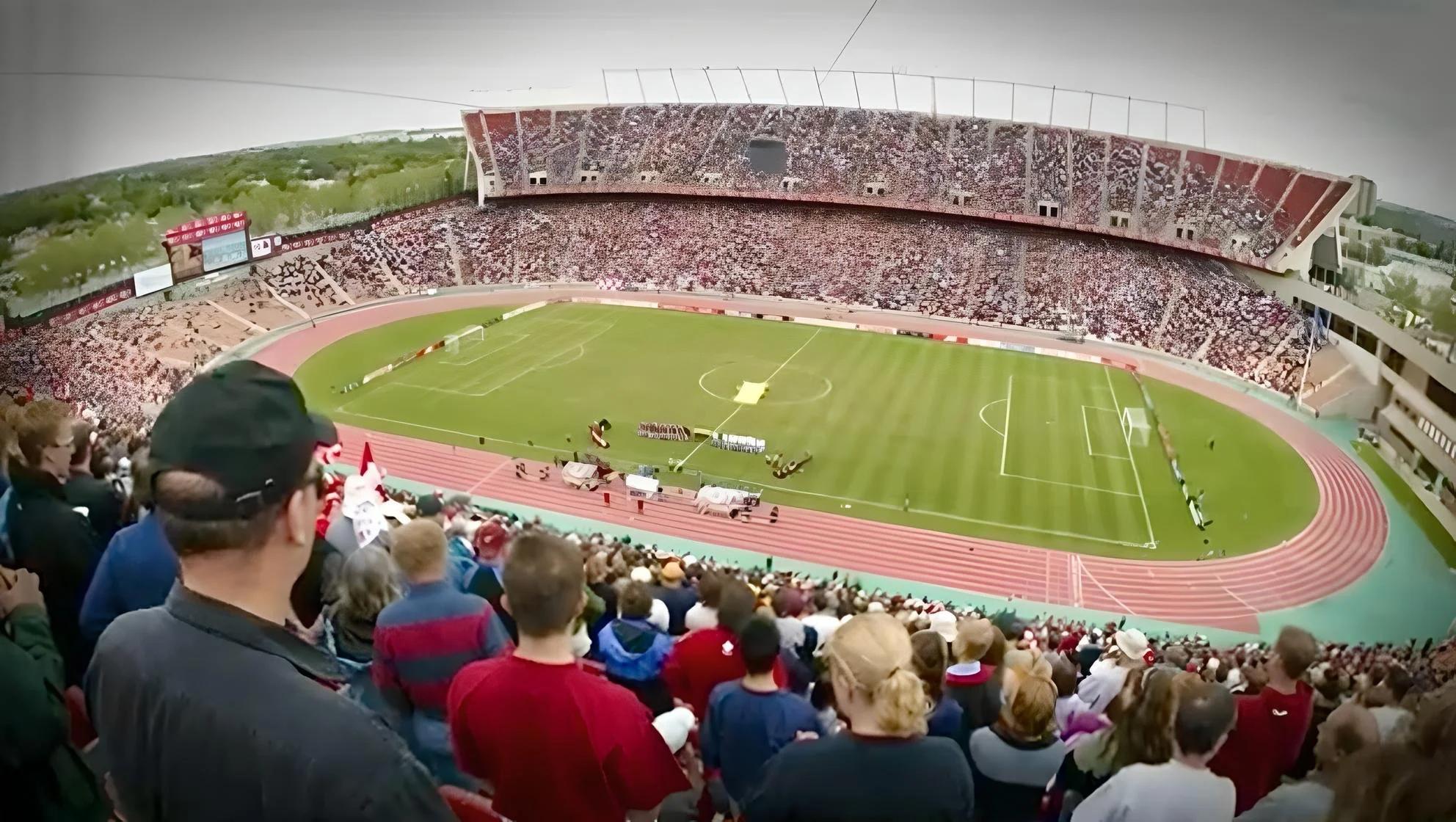
The 2002 FIFA U-19 Women’s World Championship, hosted by Canada, saw a lively crowd of nearly 48,000 fill Commonwealth Stadium in Edmonton to watch the team come within minutes of winning gold before narrowly losing in the final versus the United States.
The following year, our senior Women’s National Team achieved Canada’s best-ever finish at a Women’s World Cup, placing fourth in the world in 2003.
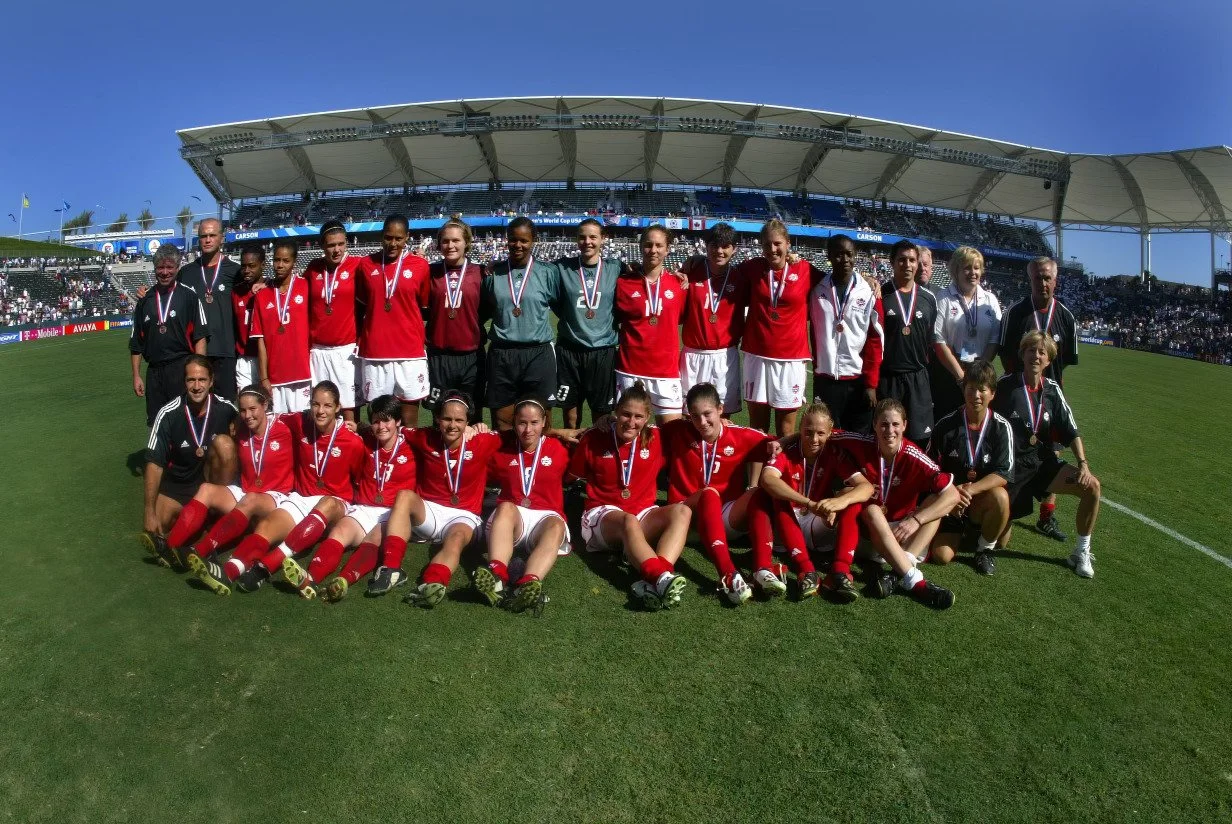
2003 Women’s World Cup — Canada places 4th. This remains Canada’s best finish at a senior Women’s World Cup. (Canada Soccer)
And then, as had happened in other situations, the river’s surface withdrew. There were no sustained efforts to build on the surge of interest, no significant investment, and no structural changes to move the game forward. The cheers faded, the stands emptied, and the flow of possibility was cut off.
Mistreatment is often still normalized as “just part of the game.” But having lived through it, and through observing, I now see this is about maintaining power, control, and hierarchy; patterns rooted in deeper societal imbalances between men and women, races, classes, adults and youth, the authority of the minority and the voices of the majority. What is often dismissed as tradition is, in truth, the denial of dignity, fairness, and justice.
From my current vantage point as a coach and advocate, I see the systems many of us once accepted without question. Silence often comes from fear of being cast out. Public statements can differ from private realities. Promises and policies may soften in practice. Harm is sometimes minimized or reframed as evidence of progress. These are not relics of the past, they are patterns still shaping the game today, designed to preserve the status quo.
My perspective is shaped not just by playing and coaching, but by being directly involved when harm surfaced. I have supported players who experienced abuse, stood alongside survivors as their truths came to light and accountability was pursued, and supported them through the self-doubt, isolation, and retaliation that often follows. I have questioned those in leadership about their role in enabling harm and advocated for systemic change at the highest levels of government. I have also had to heal and work within myself to move through the confusion and pain of my own experiences. All of these experiences have deepened my understanding of the complexity created by systemic approaches to the game — approaches shaped both by how they are led and by how the wider community participates — and how these can cause real harm. They have also taught me the importance of looking inward more than just outward, to ask where I might contribute to the problem, and to focus on action that helps dismantle the very patterns I critique.
A River Finding New Channels
The years between 2003 and Tokyo were anything but still. The river carved new paths through landmark victories, painful setbacks, and shifting tides of public interest and funding. Progress came, but often in bursts, slowed by entrenched power structures that resisted lasting change.
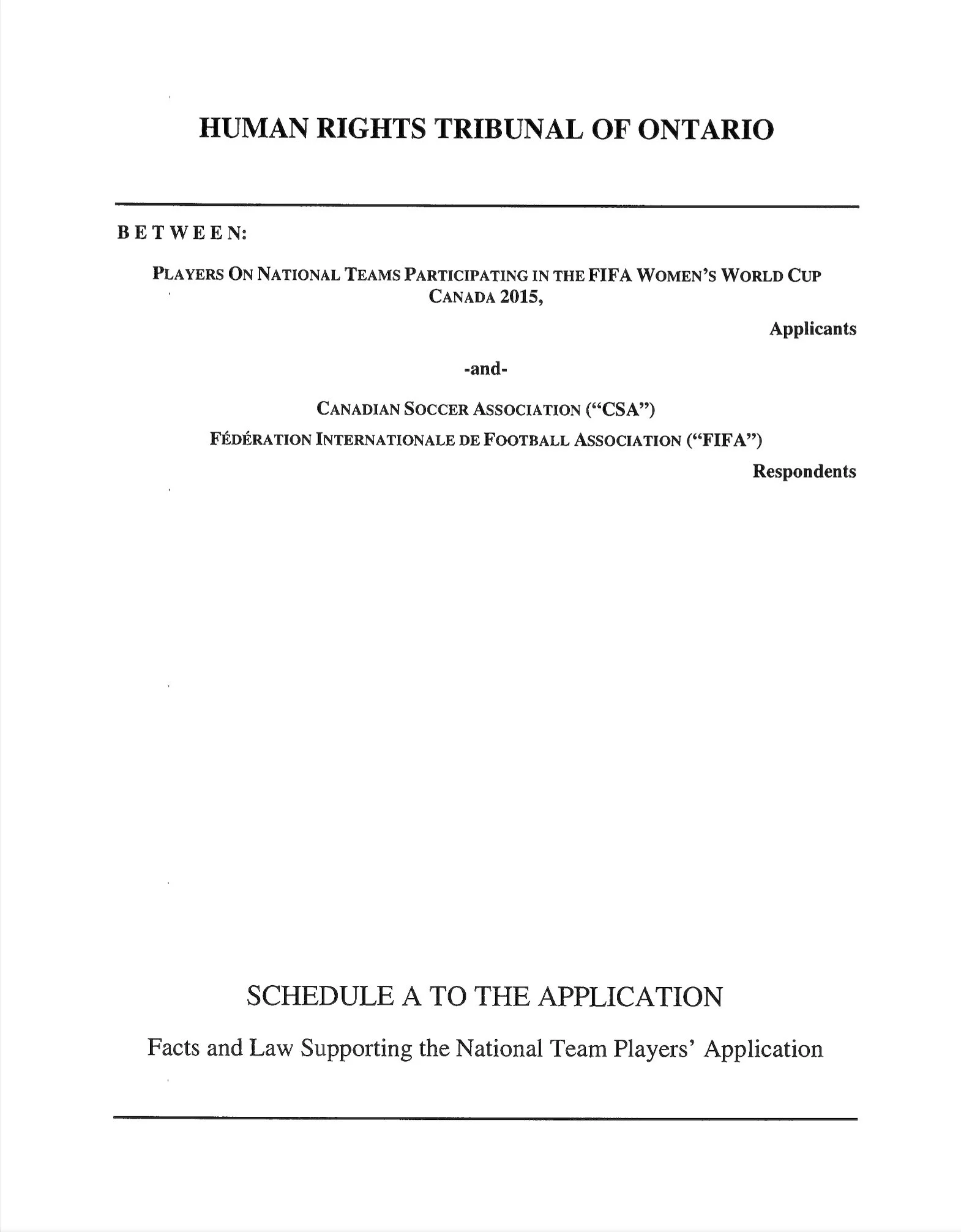
The “Turf Wars” of Women’s World Cup 2015 held in Canada.
In 2015, when Canada hosted the Women’s World Cup, an artificial turf controversy took centre stage.
More than 60 players from around the world filed a gender discrimination complaint against Canada Soccer and FIFA, arguing the choice to use turf was unsafe, altered the game, and would never be imposed on a men’s World Cup. Abby Wambach even secured a sponsor willing to fund natural grass, but FIFA and Canada Soccer refused. Some players received threats, and with no resolution in sight, time ran out. The contrast is stark: the 2026 Men’s World Cup, co-hosted by Canada, the USA, and Mexico, will be played entirely on natural grass, including in the very stadium where the 2015 Women’s final was held.
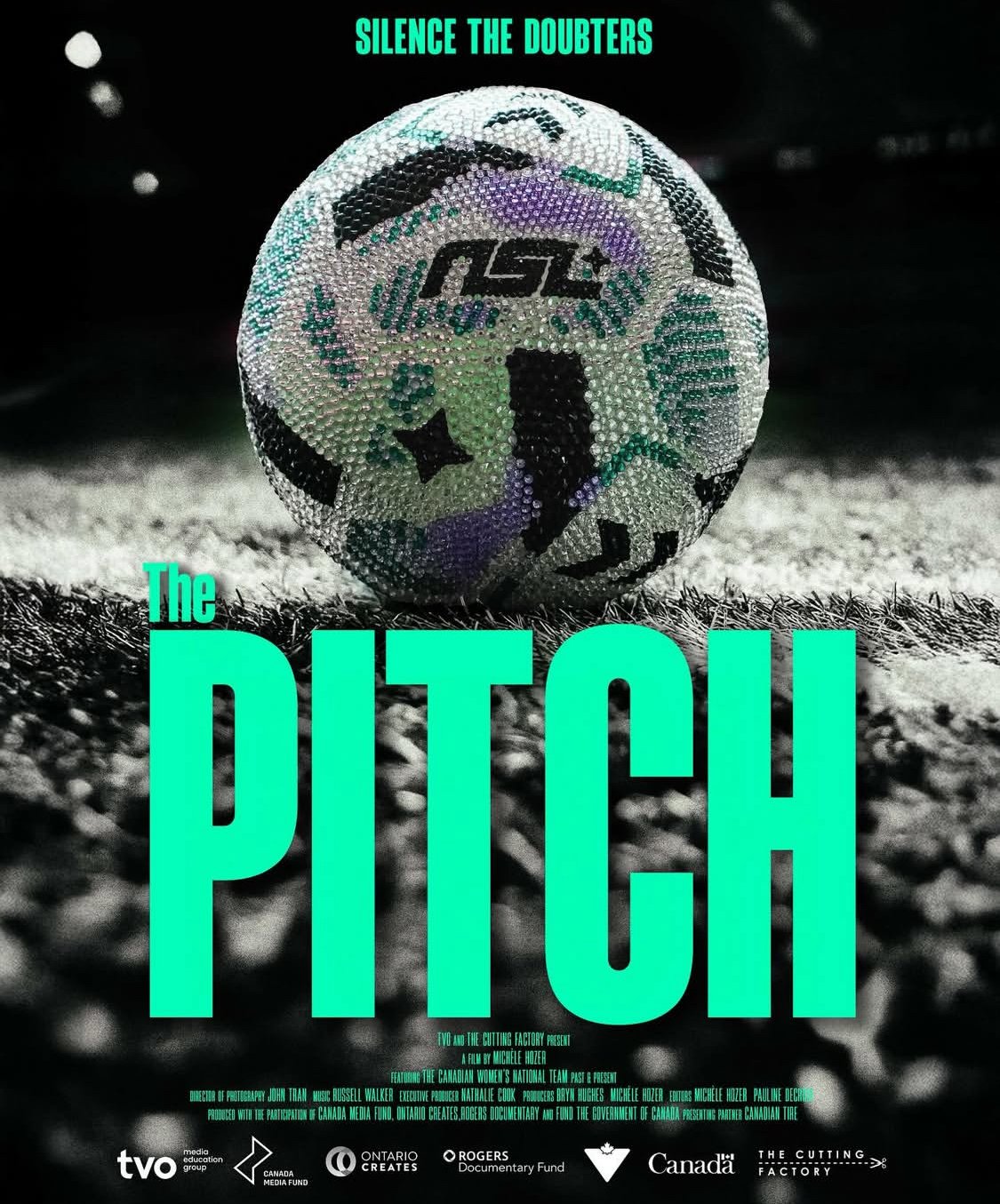
“The Pitch” — “Inside the relentless fight to build Canada’s First // Pro Women’s Soccer League.” (Northern Super League)
Rather than use the tournament’s momentum to launch a women’s domestic league (at the time, Canada was one of the only top-20 nations without one), Canada Soccer turned its focus to creating a men’s league. It would take another decade for a women’s league to take shape, driven not by the federation, but by the relentless vision and advocacy of my former Women's National team teammate Diana Matheson, and many who stood with her. This story soon to be told in the upcoming documentary The Pitch.
Still, the current pushed forward, carried by the dedication of players and their supporters who refused to let it run dry.
The Present: New Triumphs, Old Patterns
The years that followed saw moments of progress, but they came in bursts rather than a steady current. Wins on the field were often followed by losses off it.
In 2021, Canada’s Women’s National Team won gold at the Tokyo Olympics, the most significant achievement in our soccer history. It should have been the foundation for a new era. Instead, within months, the program faced substantial funding cuts.

March 9, 2023 - Members of the Canadian Women's National Team testify before a parliamentary committee. (CBC News)
By 2023, the current had turned turbulent. Players testified before Parliamentary committees. Senior leaders were summoned before the government to account for their actions. Boycotts were staged over equal pay, equitable programming, and fair working conditions.
Lawsuits alleged breaches of fiduciary duty by the board of directors.
Inside the program, staff reported toxic internal dynamics and the failure of leadership to address them. Complaints went unanswered. Investigations were mishandled, and accountability was absent. On the field, the team delivered a disappointing performance at the 2023 World Cup.
The instability and mistrust of that year carried into 2024, culminating in the highly publicized cheating scandal at the Paris Olympics, a moment that revealed just how deeply the undercurrents of dysfunction were eroding the foundations of the program.
And while we can be impressed by the quality of a tournament, the polish of a broadcast, and the high level of play, if we focus only on what is visible, we risk mistaking visibility for fairness.
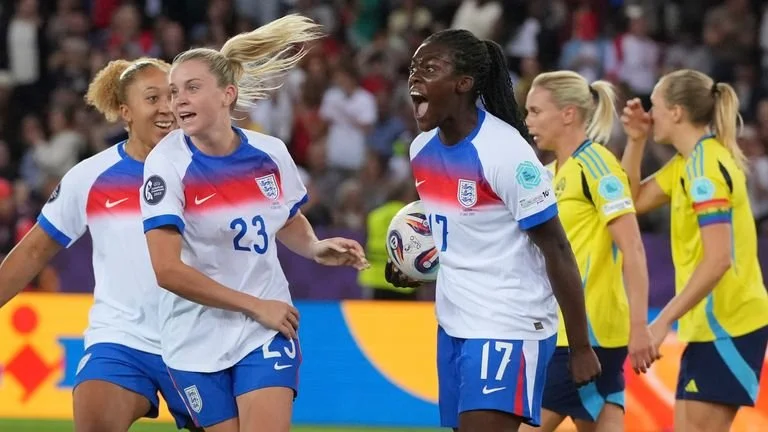
England came from 2-0 down to beat Sweden on penalties. (Sky Sports)
Back to Switzerland: The River in Full Flow
And so, as I stepped into the stands at EURO 2025, I carried all of this history with me. That is why the joy in the streets, the quality of play, and the unity in the stands felt like more than a spectacle. They were beautiful examples of what is possible when the river is not choked or dammed.
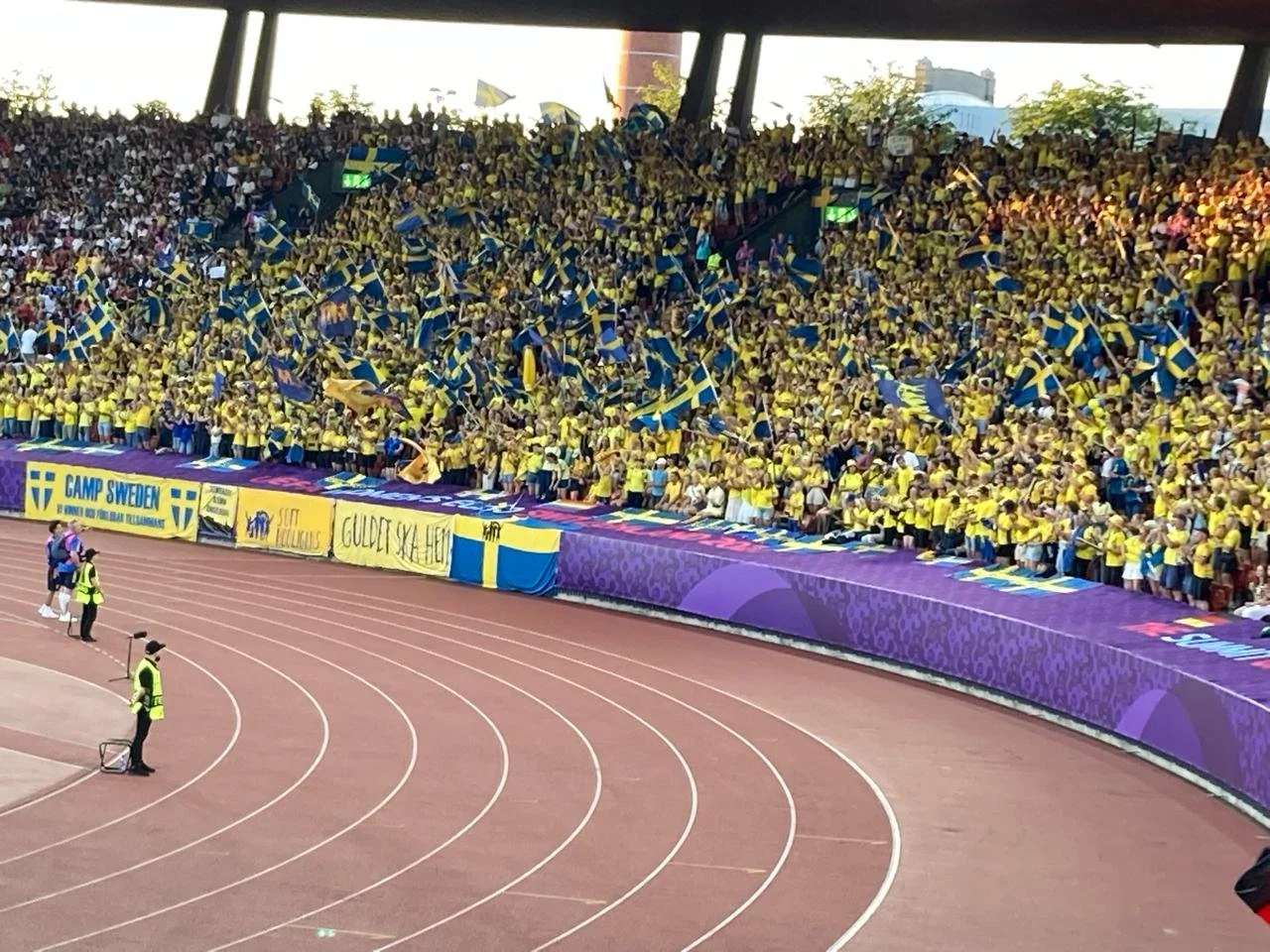
Swedish supporters cheering and celebrating... all match long
At the first match I attended (Sweden versus Germany), the celebration was intertwined entirely. Fans sat side by side, and flags from both countries waved throughout. The Swedish supporters behind the goal never stopped singing. The energy was relentless and joyful. People were not divided; they were united by love of the game.
Teams played to win; that is the point of the game, but they did so with honour, respecting the rules, the referee, the opponent, and the spectators. It was the ethos behind the game that made it such a powerful force.
The next day, I watched Wales face England. Proud supporters stood behind their respective goals, but the stadium itself showed a different ethos: a four-seat-wide buffer zone, empty from pitch to rafters, flanked by tall metal fences. These were built for crowds known for violence and aggression. Here, they seemed out of place, remnants of a fear-driven sport, standing awkwardly in a space now filled with joy, connection, and mutual respect.
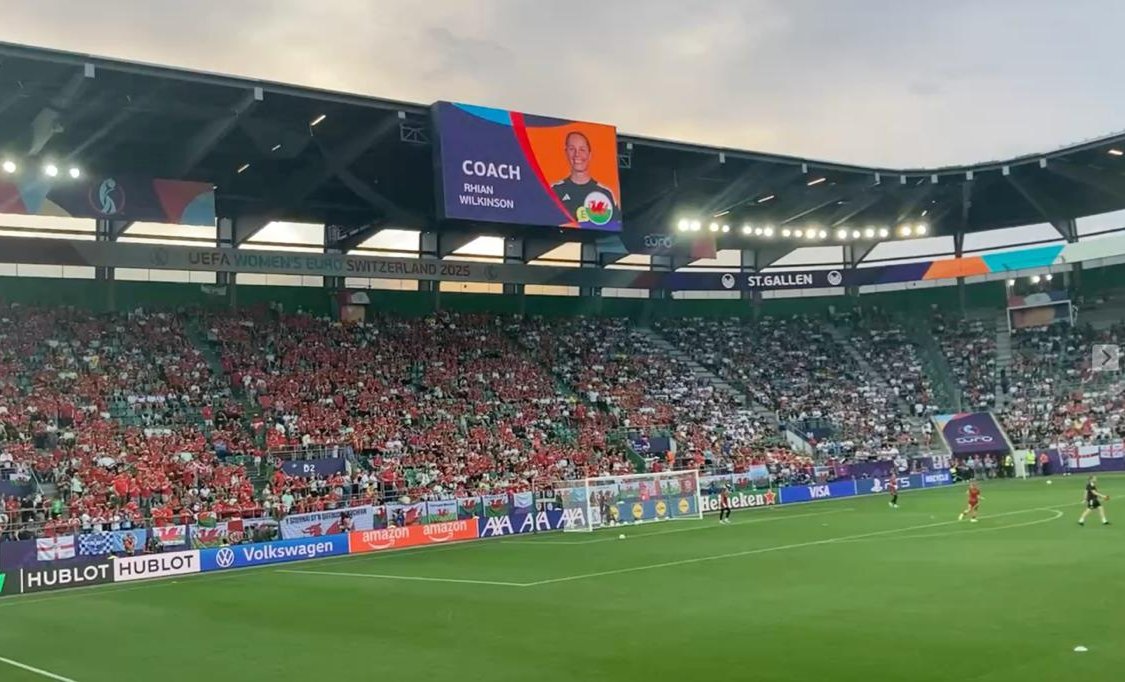
St. Gallen jumbotron announcing Rhian Wilkinson as Head Coach of Wales pre-England vs Wales
I sat in the stands watching my former Canadian Women’s National Team teammate, Rhian Wilkinson, lead Wales with calm strength and unwavering presence. Her leadership carried a quiet assurance that said without words: we do not have to lead the way we were often led. We can do this differently now.
After Wales’s loss to England, Rhian used her platform to call for greater equity and investment, not only in women’s football but across all girls’ and women’s sports. She named the gaps not to assign blame, but to advocate for change. That is what leadership is: using your voice not to self-protect, but to serve the greater good.
Keeping the River Flowing
This is why I am always struck when people say, “Look how far the women’s game has come,” as if those words suggest the game is newly born, as if women had not wanted to play for generations, had not been actively suppressed, or dismissed as a poor investment. Women’s sport did not appear out of nowhere. It has moved forward like water through stone…steady, determined, and unstoppable when given the space to flow.
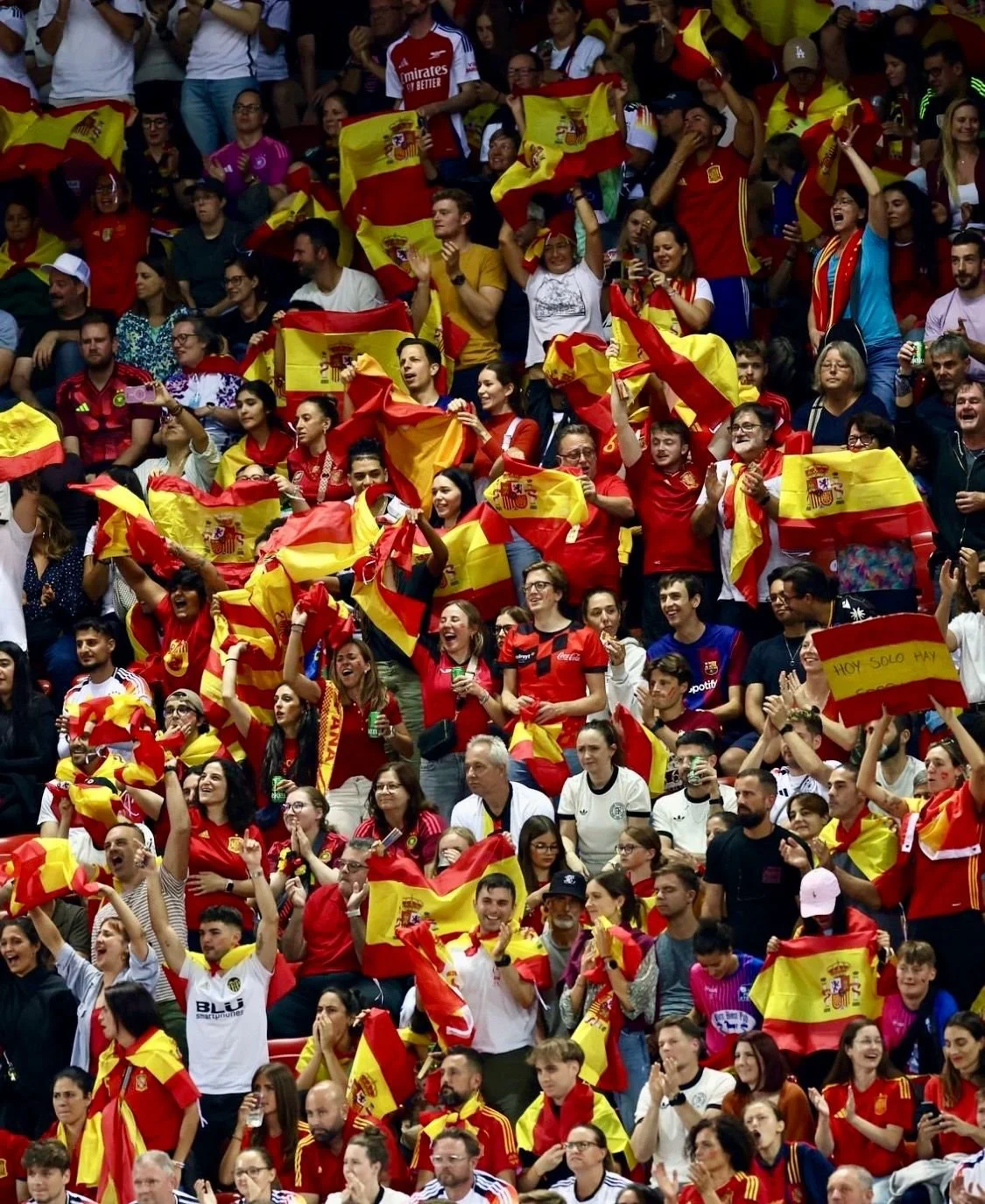
Spain fans showing their passion for their National Team. (EURO 2025)
The work is still unfinished. Inequality endures. Harms still affect the system. Leadership still requires transformation.
I left Switzerland feeling grateful, not only for the football or the opportunity to attend, but also for the reminder of what is possible when a river emerges and flows with full force. And for the belief that each of us, within our own spheres, has the responsibility to keep these beautiful rivers of life flowing…clear, strong, and free.
Watch my short video montage containing a few of my experiences from the Women’s EURO 2025.
If you’d like to explore more of this journey on the field, in leadership, and in the spaces where the two meet, here are a few ways to dive deeper.
Continuing the Journey
📽 Watch my video on Football vs. Fightball — exploring the difference between transformational and extractive leadership in sport
🎤 Watch my TEDx Talk Sports Leadership: Are We Lost? — a call to return leadership in sport to integrity, fairness, and human dignity
With sincere respect,